Skip to content

Table of Contents
Loose skin and changes in facial definition can become more noticeable as collagen production gradually declines with age. Forma Skin Tightening uses controlled radiofrequency energy to warm targeted tissue and support collagen production without surgery or injections. Because the applicator can be used across several facial and body areas, the treatment can address concerns ranging from softer jawline definition to mild laxity on the neck and other suitable areas.
Which areas can Forma Skin Tightening treat?
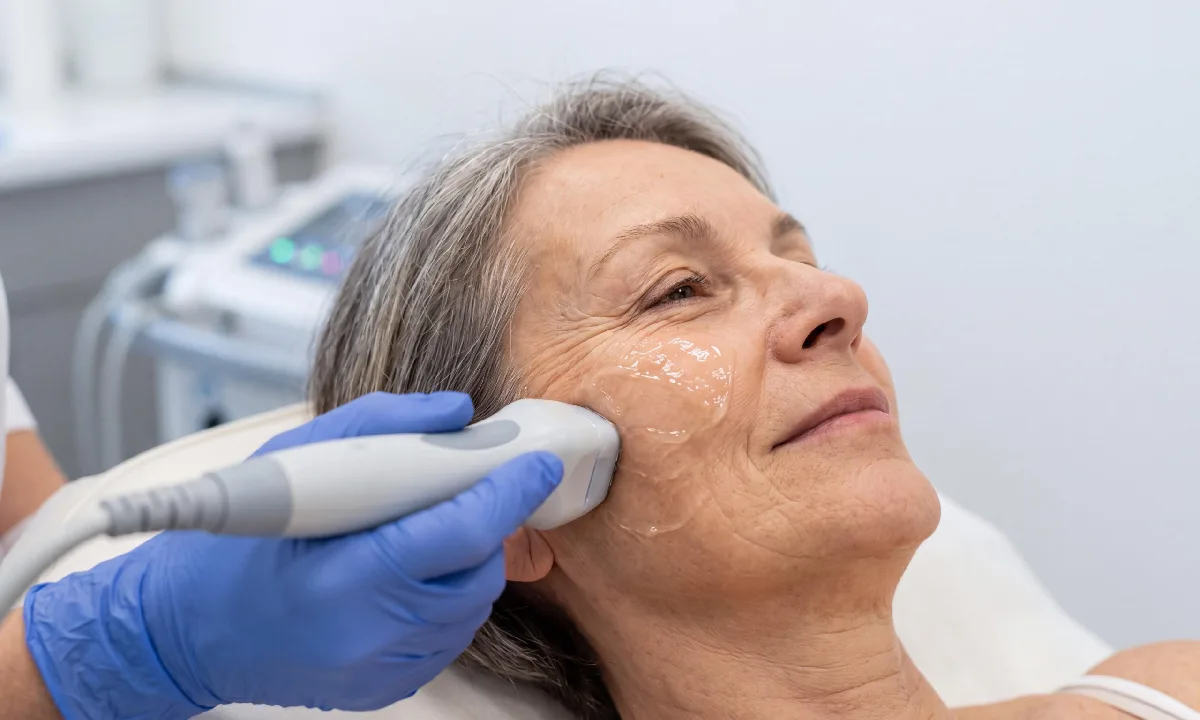
Forma Skin Tightening is commonly used on the face and neck, including the cheeks, jawline, and lower face, where mild skin laxity and reduced firmness may become noticeable. Depending on individual concerns and the provider’s treatment protocol, Forma may also be used on selected body areas to support collagen production and improve skin firmness.
How Does Forma Skin Tightening Work?
Forma is an InMode® radiofrequency treatment designed to deliver controlled thermal energy beneath the skin’s surface. As the tissue reaches a carefully monitored temperature, the heat encourages existing collagen fibers to contract while supporting the body’s production of new collagen over time.
This makes it a non-surgical skin tightening treatment for people who want to address mild to moderate skin laxity without incisions or injectable products. Changes usually develop progressively because collagen remodeling takes place over time rather than immediately after one appointment.
What Areas of the Face Can Forma Treat?
The face is one of the most common areas treated with Forma because small changes in skin firmness can affect overall facial definition.
Cheeks
Collagen loss can contribute to softer or less supported-looking cheeks. Forma can be applied across this area to encourage firmer skin and improve its overall texture.
Forma skin tightening for jawline and cheeks may be especially useful for people who are beginning to notice mild laxity but are not looking for a surgical lifting procedure. Forma does not replace lost facial volume, so people with significant volume loss may need to discuss other treatment options with their provider.
Jawline
Changes around the lower face can make the jawline appear less defined over time. Radiofrequency energy can be applied along the jaw to support collagen production and improve firmness in the surrounding skin.
Forma does not physically remove fat or dramatically reshape the jaw. Its role is primarily focused on tissue tightening and skin quality, which is an important distinction when deciding if it matches your concerns.
Around the Mouth
Fine lines and mild laxity can also develop around the lower face and mouth. Forma may be used in appropriate areas to support smoother, firmer-looking skin without requiring injections.
Can Forma Be Used on the Neck?
The neck is another area where skin laxity often becomes noticeable. Sun exposure, natural aging, and reduced collagen can gradually affect skin firmness below the jaw.
Forma skin tightening for face and neck allows a provider to address these connected areas during a treatment plan rather than focusing exclusively on the face. Treating both regions may help create a more consistent transition between the jawline, lower face, and neck.
Other Areas That May Be Suitable for Forma
Forma is often associated with facial treatments, but radiofrequency technology may also be used on selected body areas when appropriate. Treatment availability depends on the provider’s equipment, protocol, and assessment.
Common areas that may be considered include:
- Upper arms: Forma may help support firmer-looking skin when mild laxity develops along the upper arms.
- Abdomen: Skin that feels slightly less firm after weight changes, pregnancy, or aging may be evaluated for radiofrequency treatment.
- Thighs: Selected areas of the thighs may be treated when the primary concern involves skin texture or mild looseness.
- Knees: Some people notice crepey or less firm skin above the knees as collagen levels change.
- Other small areas: Treatment can sometimes be adapted to additional regions based on skin condition and applicator suitability.
Forma is not intended to produce the same level of correction as surgical skin removal. The best treatment area is one where concerns and expected outcomes reasonably match what radiofrequency tightening can accomplish.
What Are the Benefits of Treating Multiple Areas?
One of the practical benefits of Forma skin tightening treatment is its ability to address different areas with the same general radiofrequency approach. This can be useful when laxity is not limited to one isolated spot.
For example, treating the cheeks while ignoring the jawline may not fully address concerns related to lower-face definition. In other cases, treating the jawline and neck together may create a more balanced improvement in skin firmness.
What Does a Forma Treatment Feel Like?
During treatment, the Forma applicator moves across the skin while delivering radiofrequency energy. The area becomes progressively warm as controlled heat reaches the underlying tissue.
Many people compare the sensation to a warm massage rather than an aggressive resurfacing procedure. Because Forma continuously monitors temperature, the provider can maintain the appropriate treatment range while working across the selected area.
There is typically little interruption to normal routines afterward, which can make Forma practical for people who prefer treatments without extended recovery periods.
Who May Be a Good Candidate for Forma?
Forma may be appropriate for adults who want to improve mild to moderate skin laxity without surgery. Good candidates may include people who:
- Notice early skin laxity
- Want firmer-looking skin
- Prefer a non-surgical option
- Have realistic expectations
- Can commit to a treatment series
- Are in generally good health
Choosing the Right Areas for Your Treatment Plan
Forma can be administered across several areas, but treating more areas does not automatically lead to better results. A focused treatment plan starts by identifying where skin laxity is present and determining if radiofrequency tightening is appropriate for that concern.
The cheeks, jawline, and neck are commonly considered because collagen loss in these areas can affect facial contours and skin firmness. Other areas may also be suitable depending on anatomy and treatment goals.
Maeve Aesthetics Forma Skin Tightening Treatment in Buffalo, NY
Maeve Aesthetics offers Forma skin tightening treatment in Buffalo, NY for patients interested in improving skin firmness and overall skin quality without surgery or injectables. Our team uses Forma® by InMode®, which delivers monitored radiofrequency energy beneath the skin to encourage collagen production and gradual tissue tightening.
At Maeve Aesthetics, each treatment is personally performed by Amanda Whitehead, FNP. Treatment protocols are developed according to the patient’s skin condition, specific concerns, and desired areas of improvement rather than applying the same approach to every person.
Book Your Forma Skin Tightening Consultation for Younger-Looking Skin.
Frequently Asked Questions
How many Forma treatments are usually recommended?
Forma is commonly performed as a series of sessions, although the number needed depends on skin condition, treatment area, and individual goals.
Does Forma work on the jawline?
Forma can be used along the jawline to support collagen production and improve the appearance of mild skin laxity.
Can Forma treat both the face and neck during the same appointment?
The face and neck may be treated during the same session when both areas are appropriate for radiofrequency skin tightening.